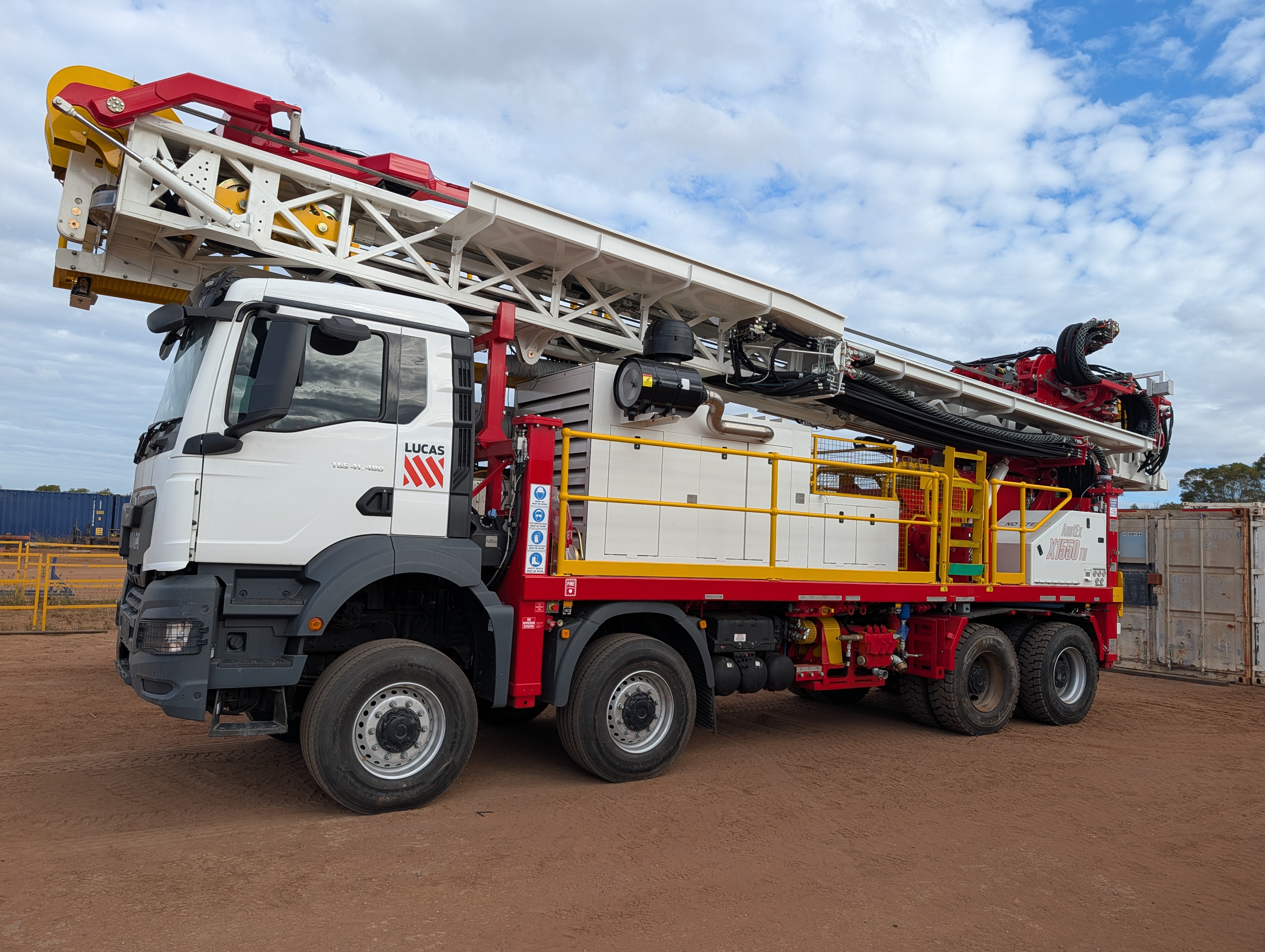

Selecting a drilling contractor for a major resource project in Australia is no longer just a question of capability and cost. As Tier 1 operators face tightening compliance frameworks across the states, the screening process must be meticulous. In Western Australia, the recent rollout of the Mining Development and Closure Proposals (MDCP) framework raises the stakes, while Queensland’s strict mandates regarding Critical Control Management (CCM) put the onus heavily on principal operators to audit their supply chains.
To ensure your project remains insulated from legal, environmental, and financial fallout, use this strategic framework to vet your next drilling partner.
1. Verify WHS Legislation & Critical Control Alignment
Australia’s harmonised Work Health and Safety (WHS) laws place direct accountability on officers of the corporation. You need to look beyond boilerplate safety handbooks.
Critical Risk Frameworks: The contractor must demonstrate an active understanding of Material Unwanted Events (MUEs) and specify how they define and audit their critical controls.
YouTube
Accreditations: Ensure they hold verified ISO 45001 (Occupational Health and Safety) certifications.
Bostech Drilling
Crew Qualifications: All onsite operators should be certified under the Australian Drilling Industry Training Committee (ADITC) standards.
Bostech Drilling
2. Evaluate Environmental and Rehabilitation Compliance
Environmental enforcement is at an all-time high, with bodies like the NSW Resources Regulator routinely shifting the scope of their desktop and field audits.
Your chosen contractor must be structurally prepared to meet state-specific requirements, such as WA's MDCP rules. They should boast ISO 14001 (Environmental Management) certification and present clear, historical evidence of fluid management systems designed to prevent contamination of topsoil and groundwater.
Bostech Drilling
3. Assess Cyber Security & Data Assurance
A rapidly emerging requirement in Australian mining procurement is supplier data vulnerability. Mining services firms handle highly sensitive information—including unreleased core samples, tenement plans, and safety audit findings.
Some tier 1 miners are requiring contractors to comply with the Australian Signals Directorate (ASD) Essential Eight cybersecurity maturity framework. Ensure your contractor has appropriate systems in place, especially when operating on remote rigs with intermittent connectivity. https://www.cyber.gov.au/business-government/asds-cyber-security-frameworks/essential-eight
Compliance Checklist for Procurement Teams
Compliance Pillar | Minimum Requirement | Verification Method
Safety System | ISO 45001 alignment + MUE frameworks | Verification of Critical Control audits
Environment | ISO 14001 certification | Modern fluid management / spill protocols
Data Security | Essential Eight compliance | Data loss prevention & encryption protocols
Rigs & Fleet | Modern automated/semi-automated rigs | Maintenance logs and telemetry records
By treating compliance as a non-negotiable operational layer rather than a box to tick, you can prevent costly regulatory shutdowns and ensure a safer asset life cycle.
For a deeper look at the legal shifts affecting critical risk management at Australian resource sites, check out this Guide to Queensland Mining Legislation and Critical Controls, which breaks down the 2025–2026 threshold requirements that contractors must align with.

2026 Lucas Drilling


.png)