
In underground coal mining, few challenges disrupt production schedules and threaten the safety of workers as much as gas. As longwall shearers cut into deep, gas-rich coal seams, they release massive volumes of trapped methane (CH4) and carbon dioxide (CO2). If these gases exceed statutory limits, operations grind to a costly halt.
This is where longwall pre-drainage steps in—capturing gas directly from the coal seam before mining ever begins.
The Core Objective: Safety and Velocity
The primary goal of pre-drainage is to reduce the gas content of the coal seam to levels below the regulatory threshold that prevents outbursts (violent, unexpected expulsions of coal and gas) and frictional ignitions.
By aggressively draining the seam months or even years ahead of the longwall face, operations achieve two critical outcomes:
1. Improved Safety: Keeping toxic and flammable gas levels well below explosive limits in the mine atmosphere.
2. Uninterrupted Production: Preventing "gas outs," where the shearer must stop and wait for the mine's ventilation system to clear the air.
How It Works: Pre-Drainage Methods
Engineers rely on two main drilling strategies to target the gas before the longwall arrives:
1. Underground In-Seam (UIS) Drilling
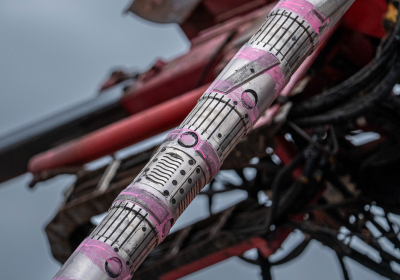
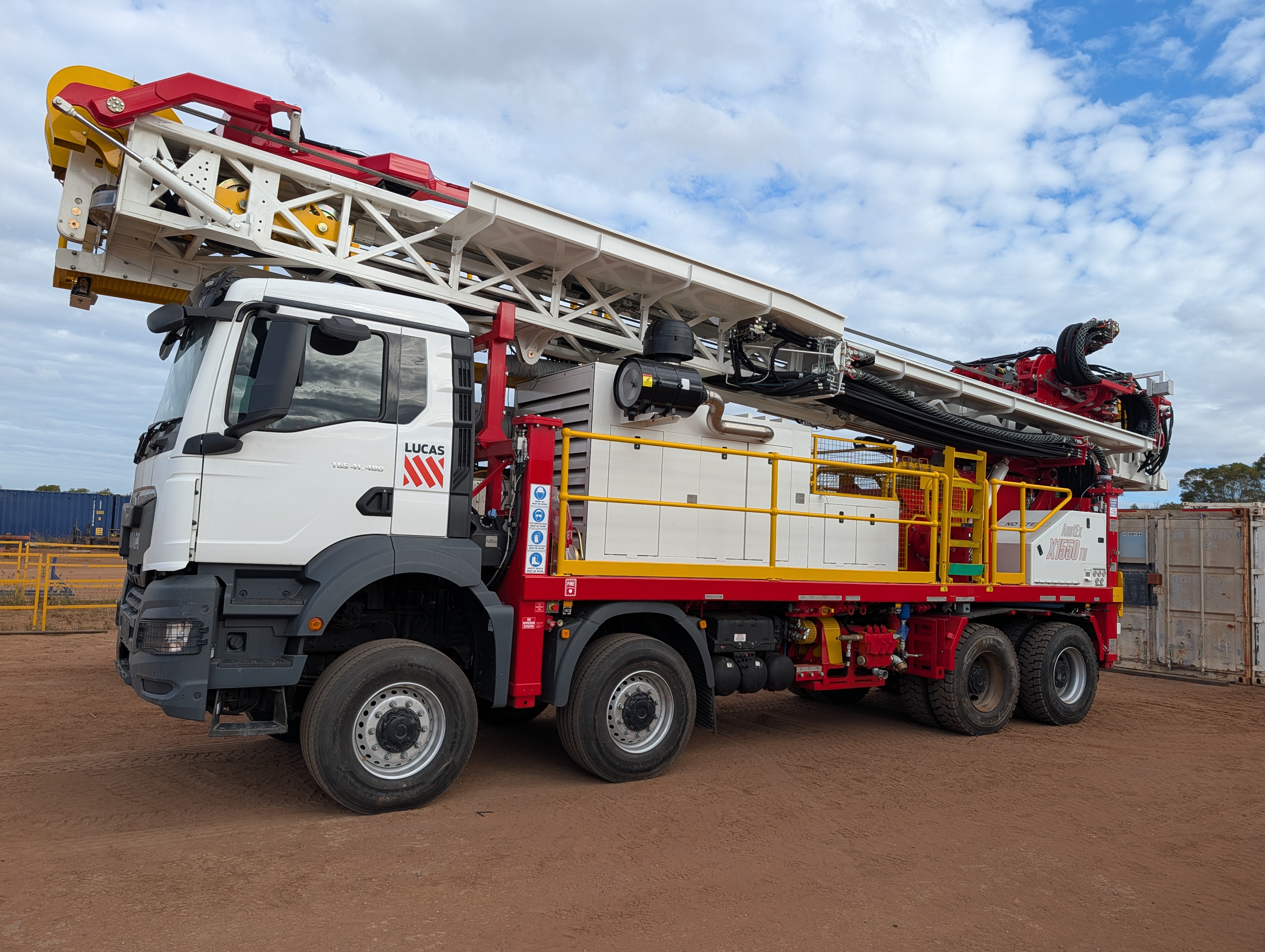
Drilled directly from active underground roadways (gate roads) into the untouched coal panel ahead of the longwall.The Technique: Specialised rigs drill long, horizontal boreholes (often using directional drilling technology to steer within the seam) up to 1,000 meters into the coal matrix.The Mechanism: Vacuum pressure is applied to these boreholes through an underground gas drainage pipeline system, continuously drawing the gas out.
2. Surface-to-In-Seam (SIS) Drilling
Executed from the surface before underground development ever reaches the area.The Technique: A vertical wellbore is drilled from the surface and then steered horizontally once it enters the coal seam, tracing the path of the future longwall panel.The Advantage: SIS wells can be drilled long before underground mining begins, giving the gas years to drain naturally. This minimises underground infrastructure and labour requirements.
The Benefits
While pre-drainage requires considerable upfront capital, the return on investment is immediate.
Apart from the reduced risk profile, the captured gas is often of high purity. Rather than venting it into the atmosphere, which may incur severe carbon penalties, modern operations feed this gas into surface infrastructure to fuel gas-fired power stations, turning an operational hazard into a reliable, secondary stream of green energy.

2026 Lucas Drilling


.png)